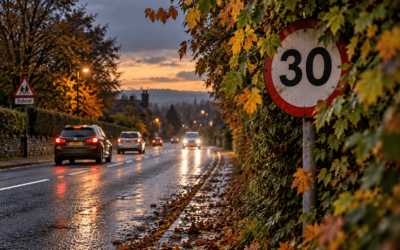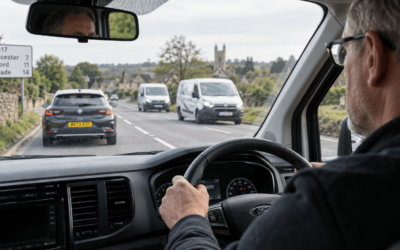
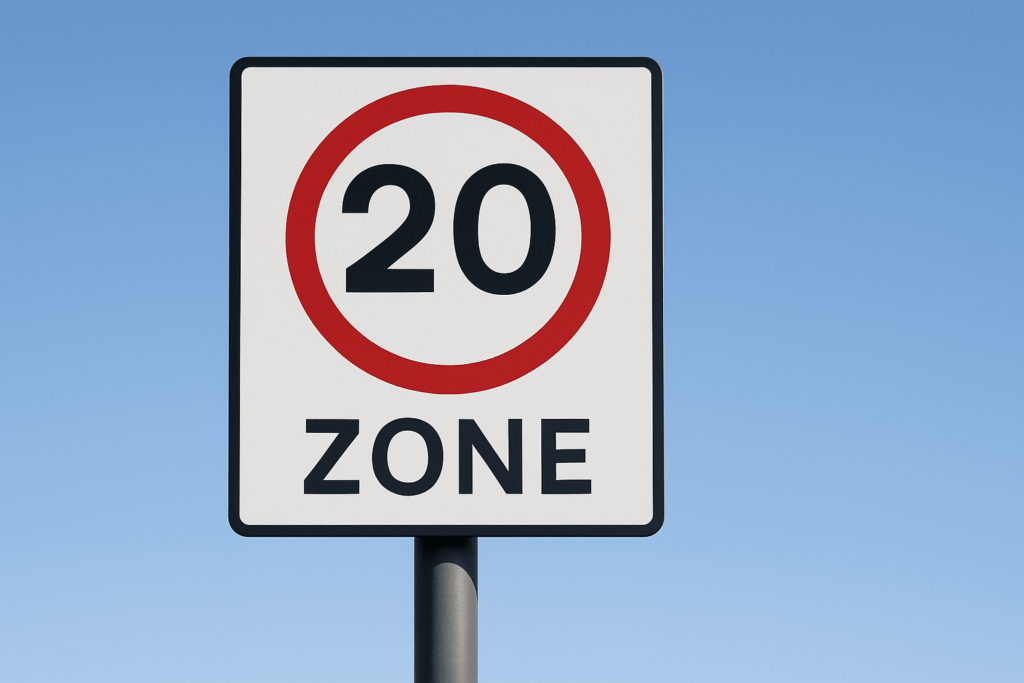
Across the UK, the number of 20mph roads is increasing and it’s becoming one of the biggest talking points in road safety.
While Wales grabbed headlines by introducing a default 20mph limit in residential areas, many parts of England and Scotland have already moved in the same direction.
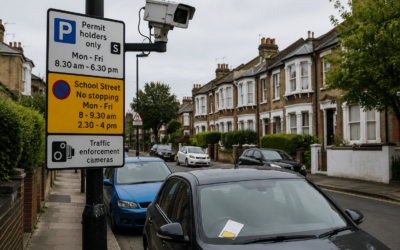
Over half of London’s roads are now 20mph, supported by an expanding network of speed cameras, and major cities such as Leeds and Edinburgh are rolling out similar schemes.
The core argument is safety, with research showing that slower speeds significantly reduce collision severity, particularly for pedestrians and cyclists.
But there have been objections, with many saying that 20mph feels ‘unnaturally slow’ on wider residential roads, while travel times also increase due to driving as slower speeds – something that can have a big knock-on effect for fleets.
The reality, however, is that 20mph limits aren’t a complete success…
Department for Transport (DfT) data shows that most drivers still exceed 20mph limits, which is where the debate intensifies, with some arguing that 20mph limits will only work when enforced by cameras, fines and punishments, with drivers opting to exceed limits otherwise.
Lower limits mean longer travel times, increased enforcement risk, and a greater need for driver awareness, with more residential areas adopting 20mph by default.
New in-vehicle technologies such as Intelligent Speed Assistance may help compliance, but attitudes and habits will take longer to adjust…
The question is, do you think a move to 20mph speed limits is a positive or negative for the future of road safety?