AI-powered road safety cameras have been in operation over the last few weeks, with figures now released about their impact.
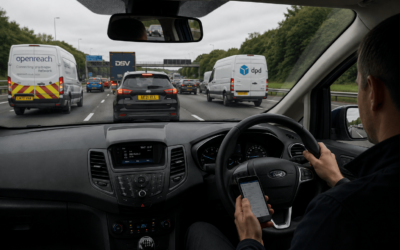
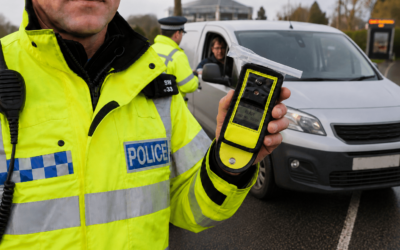
In fact, in just seven days of deployment by Sussex Police, the technology detected more than 700 offences. That included 620 drivers not wearing a seatbelt, 110 using a mobile phone, and even cases where both offences were happening at the same time.
So, the question is whether AI camera technology is making a real impact when it comes to road safety…
Do AI Cameras Make A Difference?
The cameras themselves aren’t entirely new, although the way they’re being deployed is a new initiative.
High-definition cameras, combined with infrared capability, can now capture clear images through windscreens in almost any condition. AI then analyses those images in real time, flagging potential offences such as handheld phone use or failure to wear a seatbelt.
Crucially, it’s not fully automated enforcement though – any potential offence is reviewed by human assessors before progressing further. The early data doesn’t just highlight what the cameras can do, it highlights what drivers are still doing.
Seatbelt offences alone made up the overwhelming majority and it helps that it’s not a grey area because it’s a basic, well-understood safety requirement which is entirely factual.
If this is what’s being picked up in a small sample over a short period, it raises a bigger question… how many similar behaviours are going unnoticed? And more importantly, how often are they happening without consequence?
Road Safety: Enforcement vs Prevention
There’s a natural tendency to view this kind of technology as enforcement-led, with the focus being on generating revenue through fines rather than becoming a genuine deterrent.
But the real value sits in behaviour change over a longer period of time.
Because if drivers know they can be detected anywhere, at any time, not just at fixed camera points, it shifts the risk calculation and the “I’ll get away with it” mindset starts to erode.
For fleets, that aligns closely with existing driver risk strategies, whether that’s telematics, dashcams or other driver monitoring systems, they all aim to do the same thing by making unsafe behaviour visible, then reducing it.
AI roadside cameras simply extend that visibility beyond the vehicle.
Of course, not everyone is comfortable with it and there are valid concerns around privacy and proportionality.
Is capturing large volumes of road users justified to identify relatively small numbers of offenders?
But from a safety perspective, the counterpoint is that mobile phone use and failure to wear a seatbelt remain contributing factors in serious collisions, so if technology can reduce those behaviours at scale, the potential impact is significant.
What Is The Road Safety Impact For Fleets?
The more behaviours are monitored, the fewer places there are for risk to hide.
For fleet managers, that reinforces a few key points:
- Don’t assume compliance just because incident figures are low
- Reinforce fundamentals like seatbelt use and phone policies regularly
- Use your own data (telematics, cameras, incident reports) to identify patterns early
If these cameras are picking up hundreds of offences in a week on public roads, similar behaviours are likely happening within fleets too, simply by the law of averages.
It’s a reminder that staying on top of your requirements is essential, which is why Compliance Monitor, Risk Monitor and Fleet Monitor are so pivotal.