The number of overseas drivers exchanging their licences for British ones is becoming a growing consideration for fleets and employers whose staff drive for work.
Department for Transport (DfT) figures show that thousands of licences were exchanged during 2025, including more than 7,000 from Zimbabwe, 6,800 from Romania, 6,000 from Hong Kong, 5,600 from Italy and 5,100 from Australia.
These drivers are likely experience and fully qualified, but holding a valid licence doesn’t necessarily mean that they’re familiar with driving in the UK.
Which poses an interesting question for fleets… is a standard licence check enough when you’re onboarding an international driver?
What Challenges Can Overseas Drivers Face On UK Roads?
Driving in Britain can involve a period of adjustment for somebody who has learned and driven elsewhere, particularly if they’ve driven on the right hand side of the road previously.
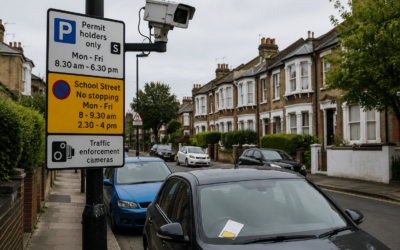
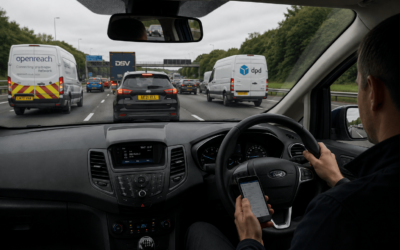
Driving on the left may be the most obvious difference, but there are also quirks to road layouts, speed limits (in mph rather than kilometres), signage, smart motorways and roundabouts to contend with.
For employers, the data underlines the difference between confirming that somebody is legally entitled to drive and confirming that they are ready to drive safely and confidently for work.
Licence checking remains the essential starting point and fleets need to confirm that a driver holds the correct, valid entitlement for the vehicle they will use and that there are no restrictions, endorsements or other issues which could affect their role.
International drivers may also benefit from onboarding covering UK road signs, national and local traffic laws, company driving policies, vehicle technology and the journeys they will be expected to complete.
A practical driving assessment, familiarisation training or a period of accompanied driving could help identify gaps in knowledge before they lead to an incident.
This should not be treated as questioning an overseas driver’s ability, far from it.
It’s simply about recognising that experience gained in one country may not prepare somebody for every feature of another country’s roads.
Why Routine Licence Monitoring Still Matters
A licence check should never be treated as a one-off onboarding task. Driver circumstances, entitlements and endorsements can change, while fleets also need accurate records to demonstrate that work-related road risk is being managed properly.
At Driving Monitor, our Licence Monitor service checks directly with the DVLA, helping fleets return checks quickly and efficiently while keeping driver data securely stored in one place.
As a member of the Association for Driving Licence Verification, we also help organisations manage this information through a trusted and compliant process.
With more international drivers joining UK workforces, fleets may need to look beyond whether somebody can legally drive and ask whether they have been properly supported to drive safely on UK roads.
That makes effective licence checking, familiarisation and ongoing monitoring more important than ever and it’s a crucial part of ensuring that fleets are compliant, safe and fit for purpose in 2026 and beyond.