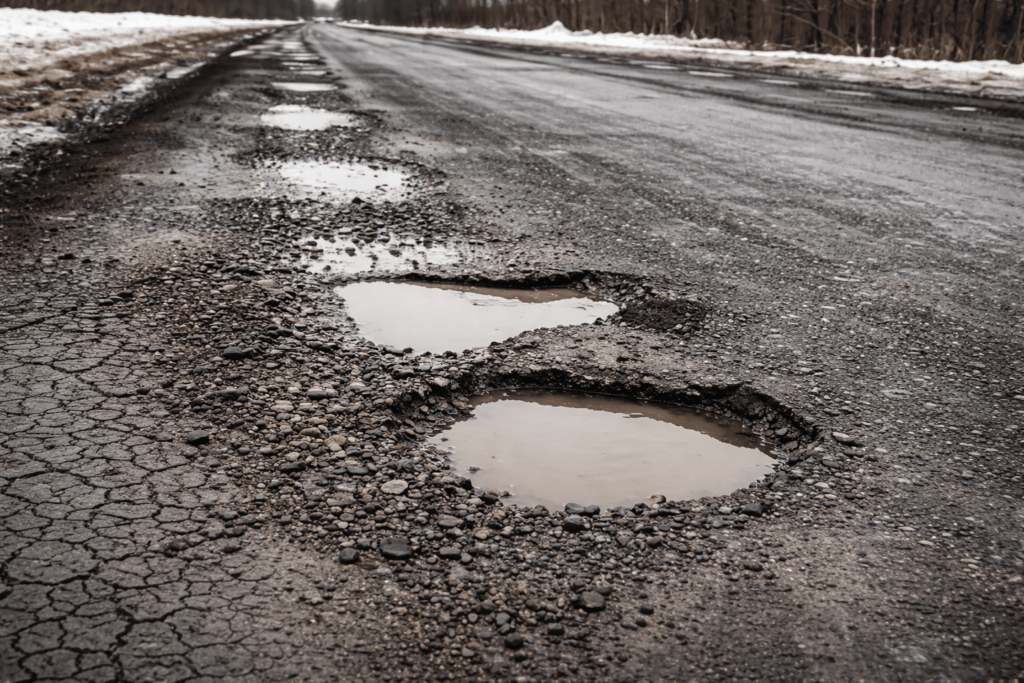
Poor road surfaces are no longer just a seasonal frustration, with potholes becoming a year-round issue on UK roads.
New figures show that pothole-related vehicle breakdowns rose by 15% last year, with more than 26,000 callouts linked directly to damaged suspension, broken springs and distorted wheels.
That equates to more than 70 incidents every single day.
For fleets, that is not just a minor inconvenience, it also means vehicle downtime, unexpected repair costs and operational disruption.
And despite increased attention on road funding in recent years, the data suggests the issue is far from resolved.
Britain’s Pothole Problem Persists
Potholes have dominated transport headlines for years, and successive funding pledges have attempted to address the growing backlog of repairs.
The final quarter of 2025 saw a further increase in breakdowns compared to the same period the year before, highlighting the impact that colder, wetter weather can have on already fragile road surfaces. When water seeps into cracks and freezes, surfaces weaken quickly, especially where preventative maintenance has been limited.
The estimated repair cost for a typical family car following significant pothole damage can reach £590. For fleets operating larger vehicles or high annual mileages, the financial impact is often considerably higher.
More importantly, breakdowns rarely happen at convenient times, as we all know! They disrupt schedules, delay appointments and can create secondary safety risks if vehicles become stranded in vulnerable locations.
In response to ongoing concerns, the Government has introduced a new traffic light ratings system to assess the condition of local roads and how effectively councils are maintaining them.
Currently, fewer than one in five councils are rated “green” for road conditions, while a small but notable proportion sit at the opposite end of the scale.
The ratings aim to increase transparency and encourage best practice, particularly around preventative maintenance techniques such as surface dressing, improved drainage and long-term resurfacing rather than temporary patching.
The shift toward prevention is welcome, simply because addressing weaknesses early is significantly more cost-effective than reacting once damage has already occurred.
However, even with record levels of funding allocated, meaningful improvements across the network will take time to have a real and noticeable impact for drivers.
What This Means For Fleet Operators
For fleet decision-makers, poor road conditions translate directly into operational risk, which makes this latest news a concern.
Increased exposure to potholes raises maintenance costs, accelerates wear and tear, and contributes to unplanned vehicle off-road time. It also places additional strain on drivers, who may need to take evasive action or navigate deteriorating surfaces in challenging weather conditions.
Proactive steps can always help mitigate the impact. That might mean regular vehicle inspections, particularly of tyres and suspension components, as well as driver briefings that reinforce defensive driving habits and hazard awareness can also reduce the likelihood of severe damage.
While infrastructure improvements remain largely outside fleet control, visibility of driver behaviour and vehicle risk trends is not.
Ultimately, smoother roads benefit everyone. But until the broader repair backlog is addressed, fleets will need to factor road quality into their risk management strategies.
At Driving Monitor, we understand the importance of having full visibility over your fleet and your vehicles, which is why Fleet Monitor and Risk Monitor are worth their weight in gold.