The government has confirmed a new wave of investment on England’s road network to the tune of £27 billion, while fleets are being urged to take part in consultations over the new road safety infrastructure plans.
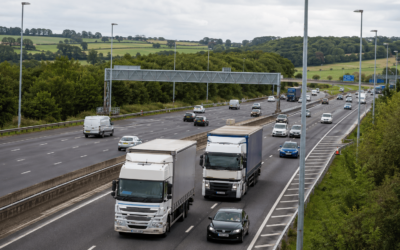
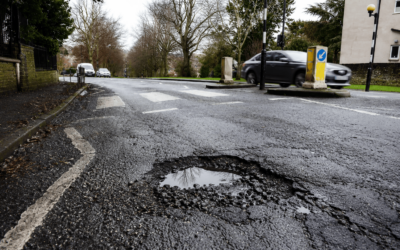
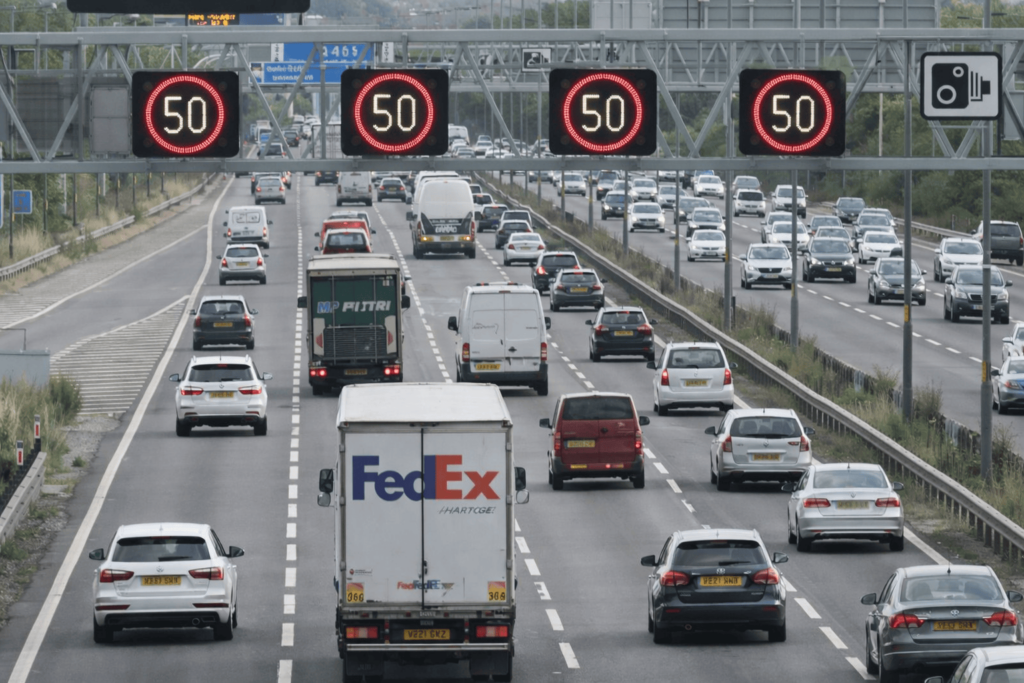
Investment in the road networks is aimed at ‘future-proofing’ roads, which includes more than 5,500 miles of motorway and A-roads lanes (rather than entire roads) being resurfaced.
That represents nearly a quarter of England’s road network and is the latest step in what the government sees as a commitment to travel and infrastructure on the roads.
However, we all know that road safety is so much more than simply the surfaces we’re driving on, which is why the government is looking for fleets to cast their opinions on the new Road Safety Strategy, which was unveiled earlier this year.
Fleets Can Have Their Say On Road Safety
The new Road Safety Strategy aims to overhaul safety and bring standards in line with modern driving, addressing some of the key concerns and challenges drivers have today.
While the broader strategy aims to cut the total number of people who are killed or seriously injured in road traffic collisions (RTCs), the granular detail of policy changes is where the government is looking for input on.
The Department for Transport (DfT) noted that they believe that road safety had taken a back seat for too long, setting itself a target of a 65% reduction in the number of people killed or seriously injured on UK roads by 2035.
For context on the impact on fleets, there were 1,602 fatalities on the road in 2024, with one in three of those involving someone operating a vehicle for work.
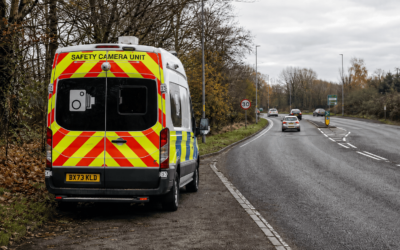
Key changes proposed include lowering the drink drive limit, tighter enforcement on drug driving offences, and stricter punishments for mobile phone use behind the wheel and not wearing a seatbelt.
Interestingly, though, one of the most crucial proposals for fleets is a ‘National Standard’ for employers that require employees to drive for work. The wording is purposely all-encompassing as it will be standardised to include bicycles, e-bikes, motorcycles, company cars, grey fleet, vans, and HGVs.
The charter aims to reduce work-related risk by ensuring compliance through good practice, accountability, and a structure that they want input from fleets and the fleet sector to ensure that it’s enforceable, realistic, and impactful.
What Does The Future Of Road Safety Look Like?
It’s clear that road safety is very much on the agenda this year, with five separate consultations underway for each segment of the government’s new Road Safety Strategy.
For fleets, that’s good news because anything involving an improvement in road safety standards has to be a good thing… and the chance to influence the specifics of those policies is crucial.
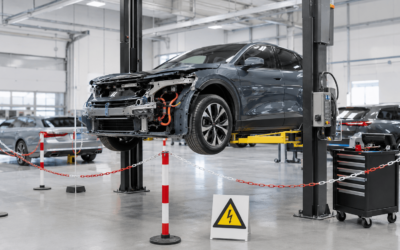
With the move to electric vehicles accelerating and autonomous vehicles set to be introduced more widely to the roads this year, the time is now to prepare for the future of driving and ensure that we can make it as safe as possible.
At Driving Monitor, we understand how important it is to keep your safe on the road and future-proofing your fleet is more important than ever, which is why Risk Monitor is crucial to mitigate any potential risks on the road and why Fleet Monitor is increasingly invaluable, giving you an overview of every vehicle in your fleet, whether that’s company, personal or hire.