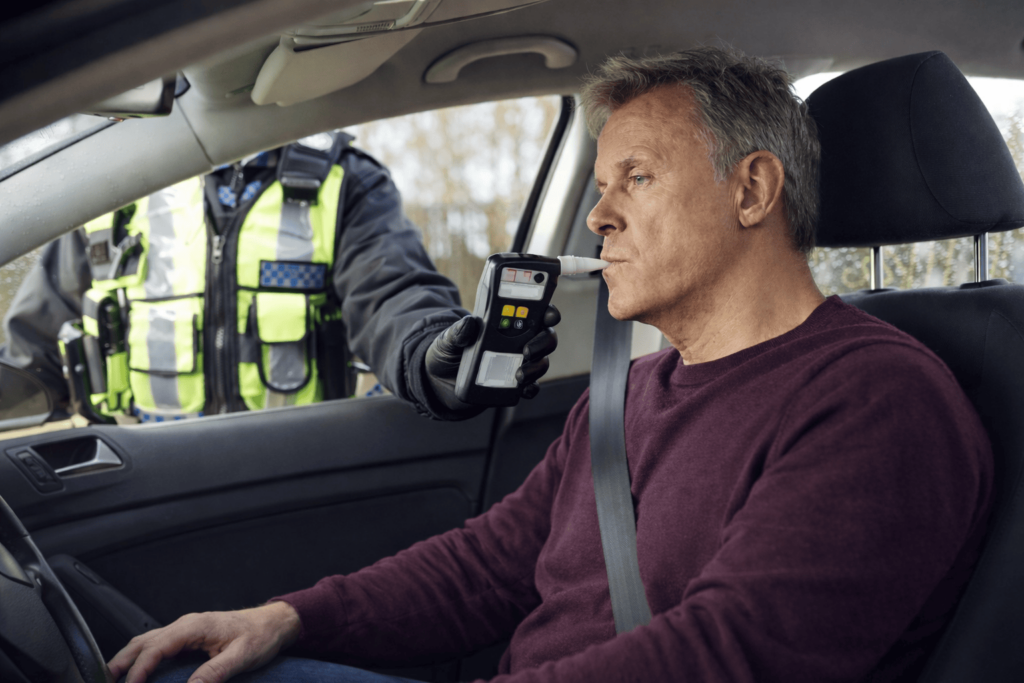
The government’s new road safety strategy, which launched this week, has drawn a clear line on drink driving, with limits set to move much closer to zero.
Under the proposals, drink-drive limits would be tightened across the board, with learner and newly qualified drivers facing limits close to zero, and experienced drivers likely aligned with Scotland’s stricter threshold.
Penalties are also under review, and for repeat offenders, alcohol interlocks could become a condition of getting back behind the wheel.
While these changes are still subject to consultation, the direction of travel is unmistakable. From a road safety perspective, the government is keen to emphasise that this isn’t about punishing drivers, it’s about recognising reality.
Even small amounts of alcohol impair reaction times, judgement and hazard perception. Statistics show that many incidents don’t happen late at night, but the morning after, when drivers believe they’re “fine” but alcohol is still in their system.
As drink-drive limits tighten, tolerance for grey areas disappears.
Policies built around “within the legal limit” thinking will no longer stand up to scrutiny as regulators, insurers and courts will be expecting employers to show that alcohol risk is clearly understood, communicated and actively managed.
This mirrors a wider trend already emerging across road safety regulation, with clearer rules, firmer enforcement, and greater emphasis on evidence, not assumptions.
For fleets, the new focus on road safety is a positive for their drivers and their business, but also a reminder to reinforce expectations with drivers and review compliance processes.