For the first time in several years, fleet downtime figures appear to be moving in the right direction.
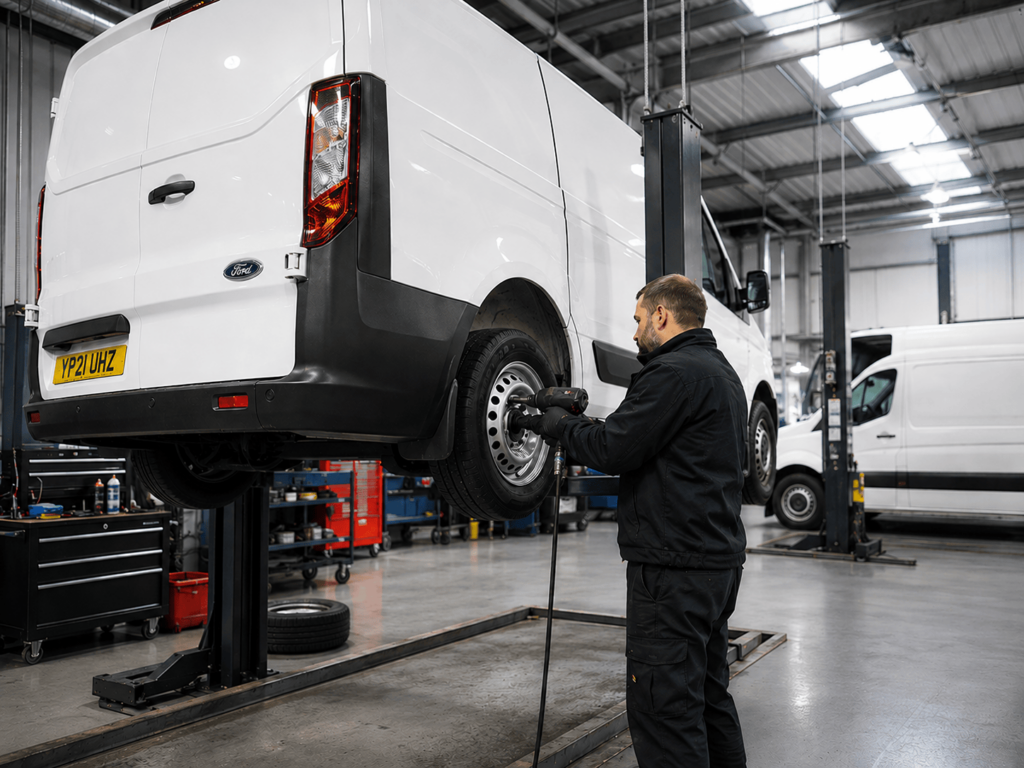
In fact, new data has suggested that the average time that vehicles are spending off the road for servicing, maintenance and repairs is the lowest since 2020, during the pandemic.
Take years where lockdown and remote working were widespread out of the equation and you’re looking at even longer.
How Positive Is Lower Fleet Downtime?
It’s worth caveating this by saying that you can’t draw the direct line between road safety and fleet downtime, but there are some important factors.
Fleet replacement cycles were extended during the pandemic, with reduced mileage across the board in one way or another plus costs increasing.
Add in delays on parts, repairs and new vehicles and you ended up with many fleets taking the decision to roll with what they have for longer than they’d ever previously planned for… which can often lead to more wear and tear on parts, resulting in more time maintaining and repairing vehicles.
For fleets, extra years with fleet vehicles adds up to thousands of miles more than the average private driver, so the impact of that extra time quickly compounds.
Less downtime usually means better vehicle availability, fewer replacement vehicles, improved productivity and less disruption for drivers. Long story short, it’s a big deal for fleets.
The question that’s worth asking is as pressure increases to keep vehicles moving, could faster turnaround times begin to affect fleet safety?
Over the past few years, many operators have become used to vehicles sitting off-road for longer periods while waiting for repairs or servicing slots. That created operational headaches, but it also forced many fleets to become more aware of maintenance planning, vehicle condition and defect management.
Now, as turnaround times improve, there’s a risk some organisations may unintentionally relax those standards.
Fleet Safety Moving Forward
The danger is rarely in planned servicing itself, but in what happens when standards slip slightly around them.
Are drivers still carrying out proper daily walkaround checks, or has familiarity crept back in? Are minor defects being reported quickly enough? Are vehicles being pushed back into service before underlying issues are fully resolved? And are managers still maintaining visibility over repeat defects and risky driver behaviour?
For fleets, uptime and safety should never become competing priorities.
Vehicles that are driven aggressively, overloaded, poorly checked or involved in repeated low-speed incidents often spend more time off the road in the first place.
Similarly, unresolved driver behaviour issues can quietly increase wear and tear, fuel usage, tyre degradation and accident rates long before they show up as a maintenance problem.
That’s why many fleets are increasingly looking at driver risk management and maintenance data together, rather than treating them as separate conversations.
It’s something we’re always working with fleets on, and it’s why Risk Monitor, Fleet Monitor, and Telematics Monitor are crucial tools for fleet managers to stay on top of all of their obligations, giving them visibility over their fleet like never before.
Because while downtime figures may be improving, the operational risks facing fleets certainly haven’t disappeared.