
Speeding remains one of the most frequent motoring offences among fleet and ‘at-work’ drivers in the UK, but the faults themselves make for interesting reading.
New research has highlighted that in most cases, speeding isn’t a deliberate act.
In fact, it’s more often the result of a distraction or a lack of awareness or understanding around speed limits.
While that’s not a valid excuse for speeding, it does raise some interesting questions around education and road safety…
The ‘Knowledge Gap’ on UK Roads
For many professional drivers, the challenge lies not in wilful disregard of the law, but in simply keeping up with the complexity of the UK’s road network.
Changing limits, variable speed zones and the differences between car, van, and pick-up restrictions all add layers of confusion.
Experts have reported that around two in five commercial drivers regularly misjudge limits, particularly when switching between vehicle types.
For instance, many don’t realise that certain light commercial vehicles are subject to lower limits than cars, or that unladen weight affects permissible speeds. The issue is compounded by poor signage and inconsistent awareness of rules across different regions.
The second biggest cause of unintentional speeding is simple inattention.
Drivers often lose track of the limit mid-journey or assume it hasn’t changed since the last stretch of road. Despite the availability of driver aids like speed limiters and cruise control, many fleet drivers either don’t use them or aren’t confident in how to set them effectively, so opt for a more manual approach to driving.
When this happens, minor lapses in concentration can lead to long stretches of unintentional speeding, which then increases the likelihood of penalties or worse, collisions occurring.
Why Do Drivers Misunderstand Speed Limits?
Misunderstanding vehicle classifications continues to trip up even experienced drivers. Pick-ups, vans and dual-purpose vehicles can each fall into different legal categories depending on design and weight, meaning a 60mph limit for one may drop to 50mph for another on the same stretch of road.
This is one reason why some fleets are reintroducing simple speed-limit reminder stickers within their vehicles, which is a small but effective way to reinforce awareness and reduce errors.
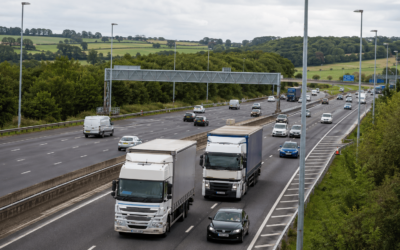
Smart motorways and temporary speed restrictions within roadworks add another layer of complexity, too. Variable speed limits change frequently, sometimes without obvious signage, which can catch drivers out.
Failing to adapt to these changes isn’t just a compliance issue, it’s a major safety risk, particularly for fleets travelling long distances each week.
What Can Be Done To Reduce Speeding?
While technology such as dash-mounted alerts and real-time mapping can help, the biggest improvement still comes from education and ongoing work around awareness.
Short, targeted refresher sessions such as focusing on vehicle-specific limits and concentration techniques have been shown to reduce repeat offences across fleets.
Aside from the clear road safety implications, unnecessary speeding incidents increases risk, wear, and stress on both drivers and vehicles.
At Driving Monitor, we help fleets stay compliant and reduce that risk through continuous monitoring and tailored driver development tools such as Risk Monitor and Telematics Monitor, giving managers real-time visibility of performance, safety, and compliance across their teams.