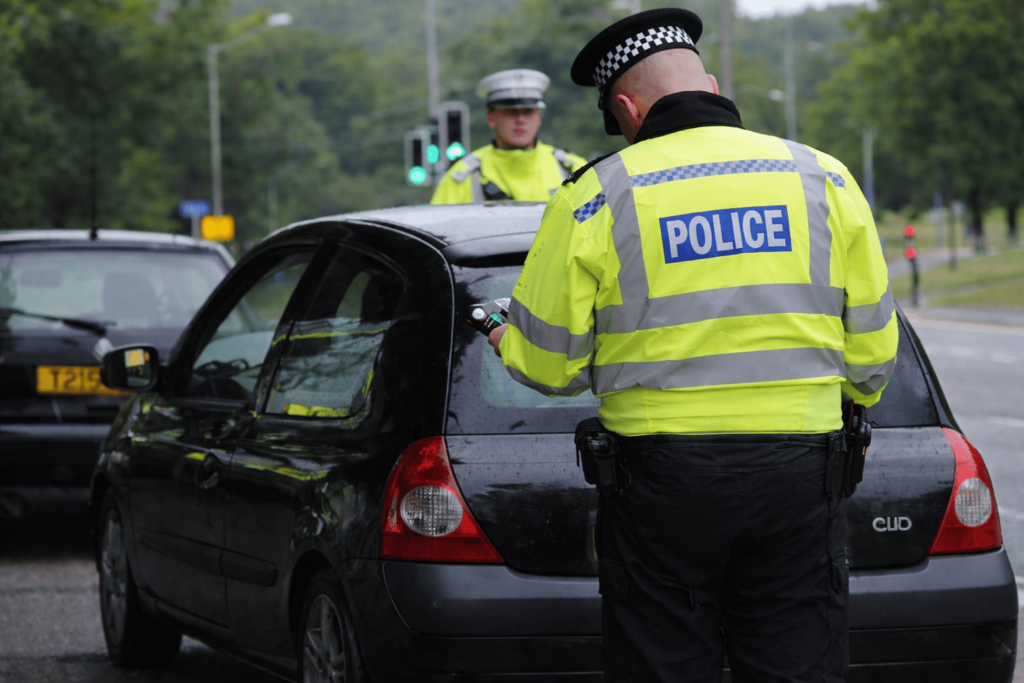
Drink-driving remains one of the most persistent threats to road safety in the UK.
Recent DVLA data has revealed that more than 2,500 drivers have been convicted of drink-driving on at least three separate occasions in the past 11 years and in one extreme case, a motorist amassed 10 separate convictions.
When a single drink-drive offence can result in serious injury or loss of life, repeat offending raises difficult questions about whether current deterrents are doing enough to protect road users.
The wider road safety picture is already troubling, with drink-drive deaths recently reached a 15-year high in the latest data, with an estimated 300–320 fatalities in a single year, accounting for 18% of all road collision deaths.
While overall casualty numbers remain lower than historic peaks, the proportion of fatal collisions involving alcohol has become a growing concern as well.
Against that backdrop, repeat offending is more than a statistical issue, it’s a serious road safety concern that forms an important part of the government’s current plans to reform road safety in the UK.
What Are The Current Drink Driving Penalties?
Drink-driving carries a minimum 12-month driving ban, an unlimited fine and up to six months in prison.
Offenders may also face a criminal record, increased insurance premiums and, in more serious cases, longer disqualification periods. Repeat offenders within 10 years of their previous offence typically receive a minimum three-year ban and may be required to pass an extended re-test before regaining their licence.
But while these are not lenient penalties, the fact that so many repeat incidents are being recorded suggests that for some drivers, more needs to be done to deter them or prevent them from being able to offend entirely.
The Government’s newly launched road safety strategy has placed drink and drug driving firmly back under the spotlight, with some road safety campaigners calling for more specific laws to be introduced to deal with repeat drink and drug driving offences.
Proposals under consultation include lowering the drink-drive limit in England and Wales, reviewing minimum disqualification periods and granting police powers to temporarily suspend licences following arrest.
The strategy is also exploring the potential role of alcohol ignition interlocks (also known as alcolocks) as part of sentencing. These devices prevent a vehicle from starting unless the driver passes a breath test and are already used in several other countries.
The Impact Of Drink Driving
The government is aiming for the strategy to deliver a 65% reduction in road deaths and serious injuries by 2035, in nine years stime. If that target is to be achieved, addressing repeat offending will likely form part of the conversation.
For employers and fleet operators, work-related road risk remains one of the most significant occupational safety exposures they will face.
As seen with rising drug-driving reoffending rates in recent years, impairment offences are not isolated problems, they form part of a broader behavioural risk landscape.
Robust alcohol and drug policies, regular licence checks, clear reporting procedures and proactive driver education are not simply compliance exercises, they’re an essential part of fleet policy.
Because when it comes to road safety, prevention is always more effective than punishment and repeat drink-driving highlights where prevention must evolve.
At Driving Monitor, we understand the importance of regular licence checks, which is why Licence Monitor forms a key part of everything we do, giving you clarity on your fleet.