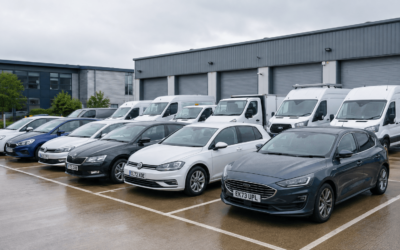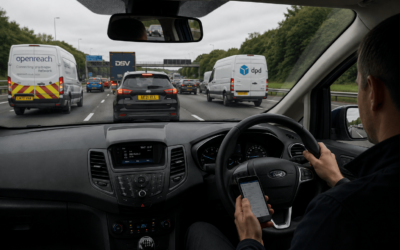
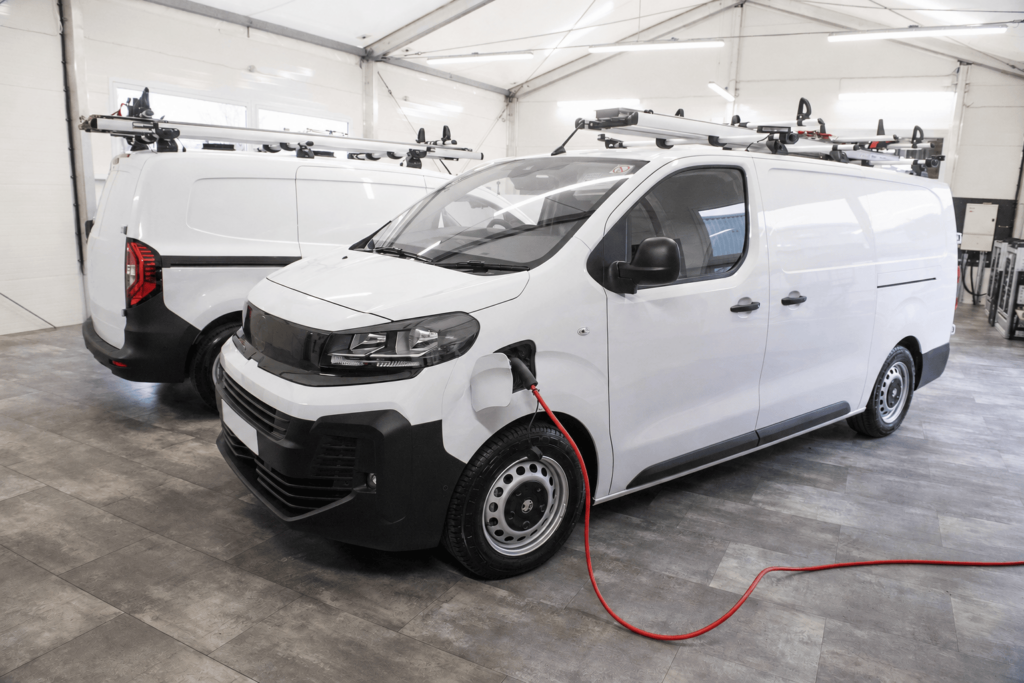
One of the biggest selling points of EVs is the reduced wear and tear, resulting in less maintenance over the years.
For fleets, that’s a huge positive both financially and operationally because less time spent servicing, repairing and maintaining means more time on the road, which is always the aim.
And one of the key advantages is longer-lasting brakes, thanks to regenerative braking.
But could ‘underuse’ of braking actually be resulting in a safety issue for fleets?
New MOT analysis suggests EVs are significantly less likely to fail due to worn brake pads or discs, which is clearly great news.
But instead, a growing number of MOT failures with EVs are linked to brakes not being used enough…
With EVs becoming increasingly popular, many more are now reaching their first MOT cycle, with evidence building that seized calipers and corrosion on brakes is a common issue.
And unlike predictable wear-based maintenance, these faults can lead to unexpected downtime, uneven braking performance and potentially longer stopping distances.
It’s raised an interesting question around whether there needs to be more thought about how EV maintenance cycles work rather than applying the same logic as with petrol, diesel and hybrid vehicles.
It’s another reminder that EV fleet management isn’t quite as simple as swapping fuel for batteries, there may well need to be maintenance and operational change too.
While keeping on top of maintenance is one thing, ensuring you have full visibility over your fleet with Fleet Monitor and Risk Monitor has never been more important, either.